

3

Speciality - Neurology
Category - Testimonial
3
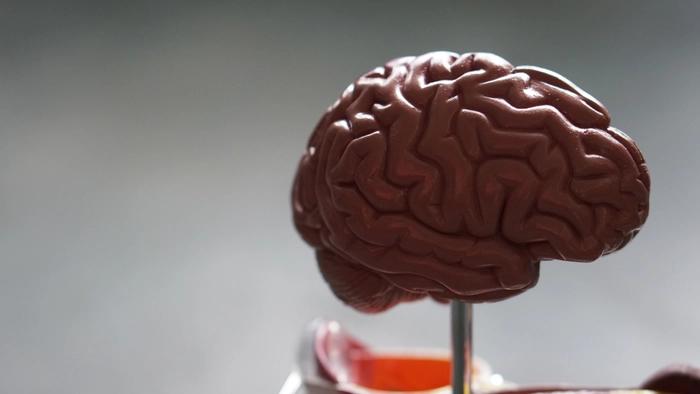
The brain is the most complex and essential organ in the human body, responsible for a wide range of functions, including:
Thinking and reasoning: The brain is responsible for conscious and unconscious thought processes, including perception, attention, memory, decision-making, and problem-solving.
Movement and coordination: The brain controls voluntary and involuntary movements, including walking, talking, breathing, and the function of the organs.
Sensory processing: The brain receives and interprets sensory information from the environment, including sight, sound, touch, taste, and smell.
Emotions and behavior: The brain regulates emotions and behaviors, including mood, motivation, stress, and social interactions.
Homeostasis: The brain maintains internal balance in the body, including regulating body temperature, blood pressure, and hormone levels.
The brain is composed of billions of neurons, or nerve cells, that communicate with each other through electrical and chemical signals. Different regions of the brain specialize in different functions, and the coordination of these functions is crucial for overall brain function. Disorders or injuries to the brain can lead to a wide range of neurological and psychiatric conditions, including Alzheimer's disease, Parkinson's disease, stroke, traumatic brain injury, and mental illness.
The brain is the most complex and essential organ in the human body, responsible for a wide range of functions, including:
Thinking and reasoning: The brain is responsible for conscious and unconscious thought processes, including perception, attention, memory, decision-making, and problem-solving.
Movement and coordination: The brain controls voluntary and involuntary movements, including walking, talking, breathing, and the function of the organs.
Sensory processing: The brain receives and interprets sensory information from the environment, including sight, sound, touch, taste, and smell.
Emotions and behavior: The brain regulates emotions and behaviors, including mood, motivation, stress, and social interactions.
Homeostasis: The brain maintains internal balance in the body, including regulating body temperature, blood pressure, and hormone levels.
The brain is composed of billions of neurons, or nerve cells, that communicate with each other through electrical and chemical signals. Different regions of the brain specialize in different functions, and the coordination of these functions is crucial for overall brain function. Disorders or injuries to the brain can lead to a wide range of neurological and psychiatric conditions, including Alzheimer's disease, Parkinson's disease, stroke, traumatic brain injury, and mental illness.
The information provided on this page is user-generated and for informational purposes only. Always consult with a doctor for better guidance regarding your health conditions.
 0
0KindlySignup or Loginto add comments.
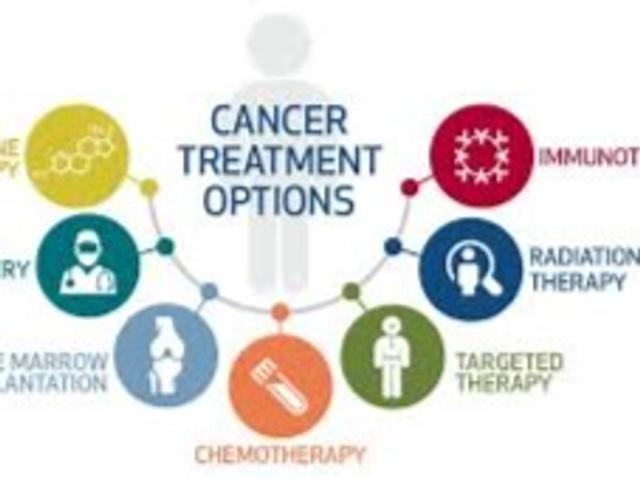
Currently, there is no single universal cure for cancer, but there are effective treatments that can eliminate cancer, manage its growth, or prolong life while maintaining a good quality of life. The success of treatment depends on factors like the type of cancer, stage, and individual health conditions.
Surgery – Removes tumors physically. Effective for localized cancers.
Chemotherapy – Uses drugs to kill or slow down the growth of cancer cells.
Radiation Therapy – Uses high-energy rays to destroy cancer cells.
Immunotherapy – Boosts the immune system to fight cancer cells.
Targeted Therapy – Uses drugs to target specific molecules involved in cancer growth.
Hormone Therapy – Blocks hormones that fuel certain cancers (e.g., breast & prostate cancer).
Stem Cell Transplant – Restores bone marrow affected by high-dose chemotherapy or radiation.
Gene Therapy – Modifies genes to correct or kill cancerous cells.
CAR-T Cell Therapy – A type of immunotherapy where T-cells are modified to attack cancer cells.
mRNA Vaccines – Similar to COVID-19 vaccines, they are being developed to train the immune system against cancer.
Artificial Intelligence (AI) in Medicine – AI is helping doctors detect and personalize treatments for cancer more effectively.

General medicine, also known as internal medicine, is a medical specialty focused on the diagnosis, treatment, and prevention of diseases in adults, particularly those affecting internal organs and systems, encompassing both acute and chronic conditions.
In the context of cancer, "cure" generally means that the cancer has gone away, no further treatment is needed, and there's no expectation of recurrence, though it's rare to be absolutely certain of a complete absence of recurrence.