Medical Tales

Badge checking Badge checking Badge checking Badge checking Badge checking Badge checking Badge checking Badge checking


Testing wellness wednesdayTesting wellness wednesdayTesting wellness wednesdayTesting wellness wednesdayTesting wellness wednesdayTesting wellness wednesdayTesting wellness wednesdayTesting wellness wednesday
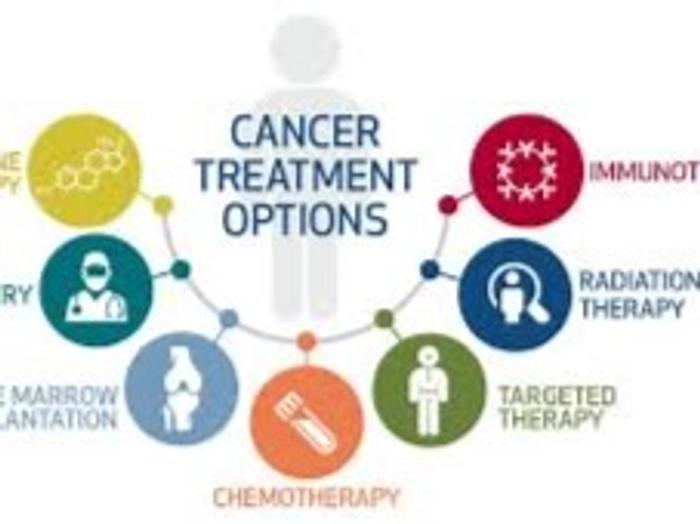
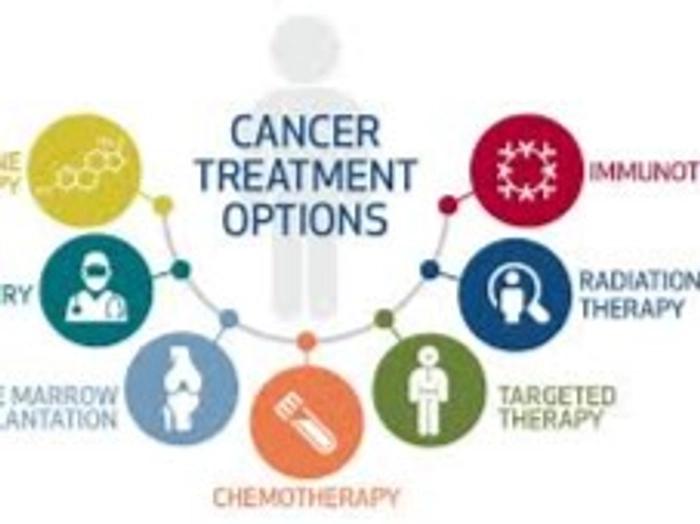
Currently, there is no single universal cure for cancer, but there are effective treatments that can eliminate cancer, manage its growth, or prolong life while maintaining a good quality of life. The success of treatment depends on factors like the type of cancer, stage, and individual health conditions.
Surgery – Removes tumors physically. Effective for localized cancers.
Chemotherapy – Uses drugs to kill or slow down the growth of cancer cells.
Radiation Therapy – Uses high-energy rays to destroy cancer cells.
Immunotherapy – Boosts the immune system to fight cancer cells.
Targeted Therapy – Uses drugs to target specific molecules involved in cancer growth.
Hormone Therapy – Blocks hormones that fuel certain cancers (e.g., breast & prostate cancer).
Stem Cell Transplant – Restores bone marrow affected by high-dose chemotherapy or radiation.
Gene Therapy – Modifies genes to correct or kill cancerous cells.
CAR-T Cell Therapy – A type of immunotherapy where T-cells are modified to attack cancer cells.
mRNA Vaccines – Similar to COVID-19 vaccines, they are being developed to train the immune system against cancer.
Artificial Intelligence (AI) in Medicine – AI is helping doctors detect and personalize treatments for cancer more effectively.
Medical Tales
Badge checking Badge checking Badge checking Badge checking Badge checking Badge checking Badge checking Badge checking
Testing wellness wednesdayTesting wellness wednesdayTesting wellness wednesdayTesting wellness wednesdayTesting wellness wednesdayTesting wellness wednesdayTesting wellness wednesdayTesting wellness wednesday
Currently, there is no single universal cure for cancer, but there are effective treatments that can eliminate cancer, manage its growth, or prolong life while maintaining a good quality of life. The success of treatment depends on factors like the type of cancer, stage, and individual health conditions.
Surgery – Removes tumors physically. Effective for localized cancers.
Chemotherapy – Uses drugs to kill or slow down the growth of cancer cells.
Radiation Therapy – Uses high-energy rays to destroy cancer cells.
Immunotherapy – Boosts the immune system to fight cancer cells.
Targeted Therapy – Uses drugs to target specific molecules involved in cancer growth.
Hormone Therapy – Blocks hormones that fuel certain cancers (e.g., breast & prostate cancer).
Stem Cell Transplant – Restores bone marrow affected by high-dose chemotherapy or radiation.
Gene Therapy – Modifies genes to correct or kill cancerous cells.
CAR-T Cell Therapy – A type of immunotherapy where T-cells are modified to attack cancer cells.
mRNA Vaccines – Similar to COVID-19 vaccines, they are being developed to train the immune system against cancer.
Artificial Intelligence (AI) in Medicine – AI is helping doctors detect and personalize treatments for cancer more effectively.